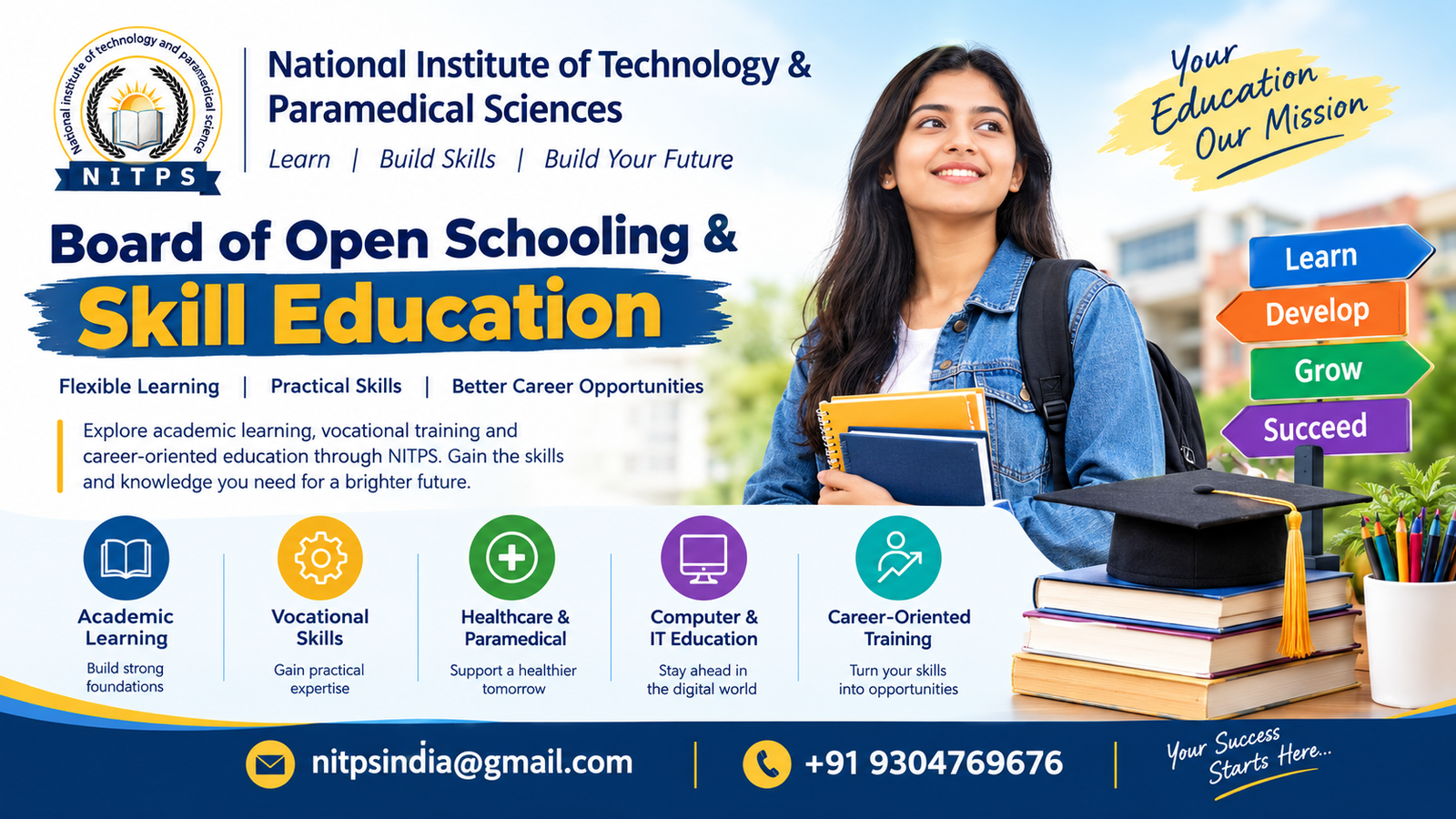
Education helps people build knowledge, develop practical abilities, and prepare for future opportunities. Today, learners are increasingly interested in educational pathways that combine academic understanding with practical skills. The Board of Open Schooling & Skill Education is a relevant topic for students exploring alternative learning options, vocational education, and professional development.
The National Institute of Technology & Paramedical Sciences (NITPS) provides information about educational opportunities and skill development pathways. Learners can visit the institute's Board of Open Schooling & Skill Education page to explore the information available and understand which options may suit their educational goals.
What Is Open Schooling and Skill-Based Education?
Open schooling generally offers alternative approaches to academic learning, while skill-based education focuses on developing practical abilities that can be useful in specific occupations or industries. The exact eligibility rules, qualifications, and recognition depend on the institution and the relevant education board.
These learning approaches may appeal to people who want to continue their studies, strengthen their knowledge, or explore career-oriented training. Before enrolling, students should check the course requirements, duration, assessment methods, and recognition status of the qualification.
Why Is Skill-Based Education Important?
Academic knowledge is valuable, but practical skills also play an important role in personal and professional development. Skill-based education can help learners understand how knowledge is applied in real situations.
Some potential benefits include:
• Practical learning: Develop abilities through relevant exercises and hands-on activities where available.
• Career preparation: Explore skills related to a chosen occupation or industry.
• Personal development: Improve problem-solving, communication, and independent learning.
• Continued education: Identify suitable pathways for further study, subject to eligibility requirements.
• Professional growth: Build knowledge that may support future employment or career progression.
The benefits depend on the course content, the learner's effort, and the quality and recognition of the training provider.
Different Learning Areas to Explore
Students have different interests, educational backgrounds, and career goals. Exploring available learning areas can help them make informed decisions.
1. Academic Learning
Academic education helps students strengthen subject knowledge, develop analytical thinking, and prepare for further educational opportunities. Learners should review admission requirements and the validity of the qualification before choosing a programme.
2. Vocational Skills
Vocational education focuses on practical knowledge associated with particular trades, services, or occupational areas. Depending on the programme, learning may involve practical assignments, demonstrations, or supervised training.
3. Healthcare and Paramedical Education
Healthcare-related training introduces learners to subjects associated with medical support, patient care, and allied healthcare services. Students interested in this sector should carefully verify the institution's approval, applicable regulatory requirements, clinical training arrangements, and qualification recognition.
4. Computer and Information Technology
Computer education can help learners develop digital literacy and technical knowledge. Depending on the course, topics may include computer applications, office software, networking fundamentals, and other IT-related skills.
5. Career-Oriented Training
Career-oriented programmes aim to connect learning with practical workplace requirements. Students should compare course content, assessment methods, practical experience, and progression opportunities before making a decision.
Note: These are general learning areas. Check the specific NITPS page for the programmes actually available and their eligibility requirements.
How to Choose the Right Educational Programme
Choosing a course requires more than looking at its name or advertised benefits. A careful review can help students avoid unsuitable programmes.
1. Identify your goal: Decide whether you want to continue academic studies, develop a practical skill, or prepare for a particular career.
2. Check eligibility: Review the required educational qualifications, age criteria, and admission conditions.
3. Understand the curriculum: Look for clear information about subjects, practical training, assessments, and course duration.
4. Verify recognition: Confirm the awarding body's status and whether the qualification is accepted for your intended purpose, such as further education or employment.
5. Review the fees: Understand the complete cost, payment schedule, examination fees, and refund policy before enrolling.
6. Contact the institution: Request written clarification about certificates, assessments, course delivery, and any claims about career opportunities.
These steps are particularly important when choosing open-schooling qualifications, vocational programmes, or healthcare-related training.
Who May Consider Skill-Based Learning?
Skill-based learning may be worth exploring for several types of learners:
• Students looking for practical knowledge alongside academic study.
• Individuals interested in vocational or occupation-specific training.
• Working professionals seeking to improve selected skills.
• Learners considering a new career direction.
• People researching educational pathways for further study.
However, the suitability of any programme depends on its entry requirements, recognition, and the learner's personal objectives.
Explore Educational Opportunities Through NITPS
The National Institute of Technology & Paramedical Sciences (NITPS) offers an online point of reference for people researching educational and training opportunities. Students can use the institute's website to review the available information and identify questions to ask before applying.
To learn more, visit the dedicated page:
Board of Open Schooling & Skill Education: https://nitps.org/college/board-of-open-schooling-skill-education
Prospective students should confirm current course availability, official affiliations, qualification recognition, fees, and admission conditions directly with the relevant institution or awarding body before making an enrolment decision.
Conclusion
Open schooling and skill-based education are important topics for learners seeking different ways to develop their knowledge and practical abilities. By comparing programmes carefully, checking recognition, and choosing training that matches their goals, students can make more informed educational decisions.
If you are researching academic learning, vocational training, or career-oriented education, explore the information provided by NITPS and verify the details relevant to your chosen programme.
Learn, grow, and make informed decisions about your educational future with NITPS.
Visit:Nitps
Education & Teaching Sciences
Board of Open Schooling & Skill Education Exploring Learning and Career Opportunities
Back to Blogs
Related Articles
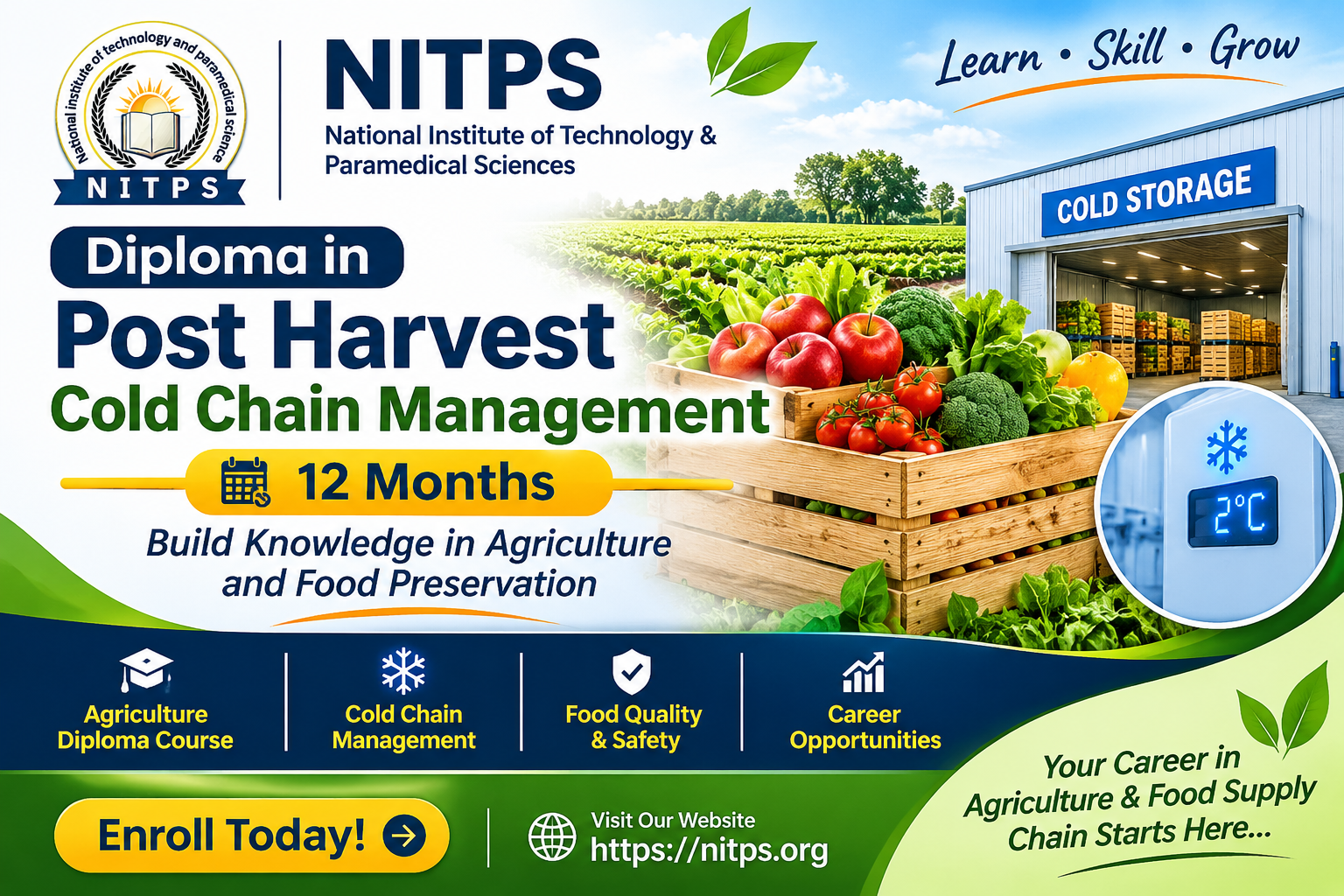
Diploma in Post Harvest Cold Chain Management Build Knowledge in Agriculture and Food Preservation
Nov 16, 2026
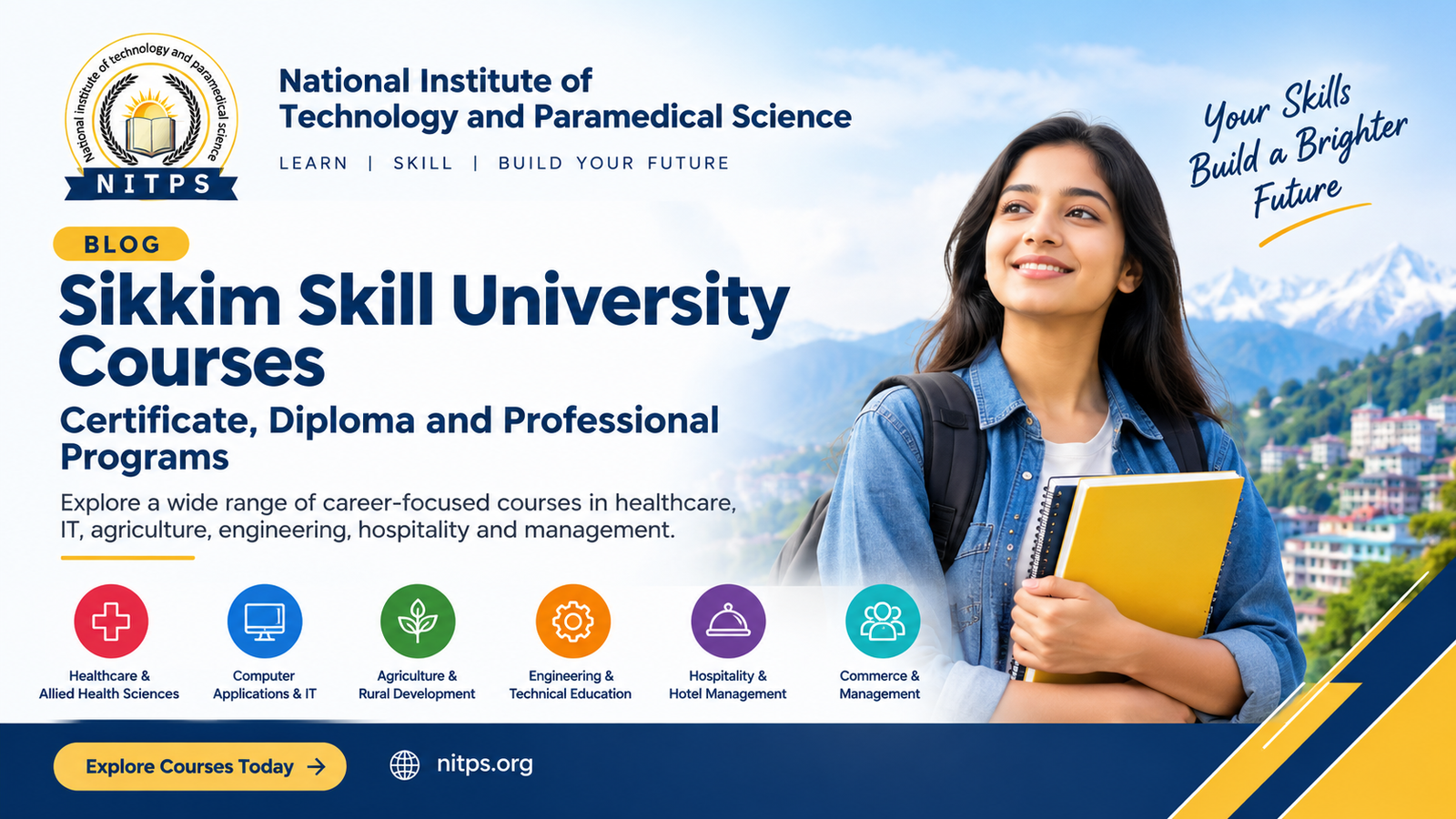
Sikkim Skill University Courses Explore Certificate, Diploma and Professional Learning Opportunities
Oct 23, 2026
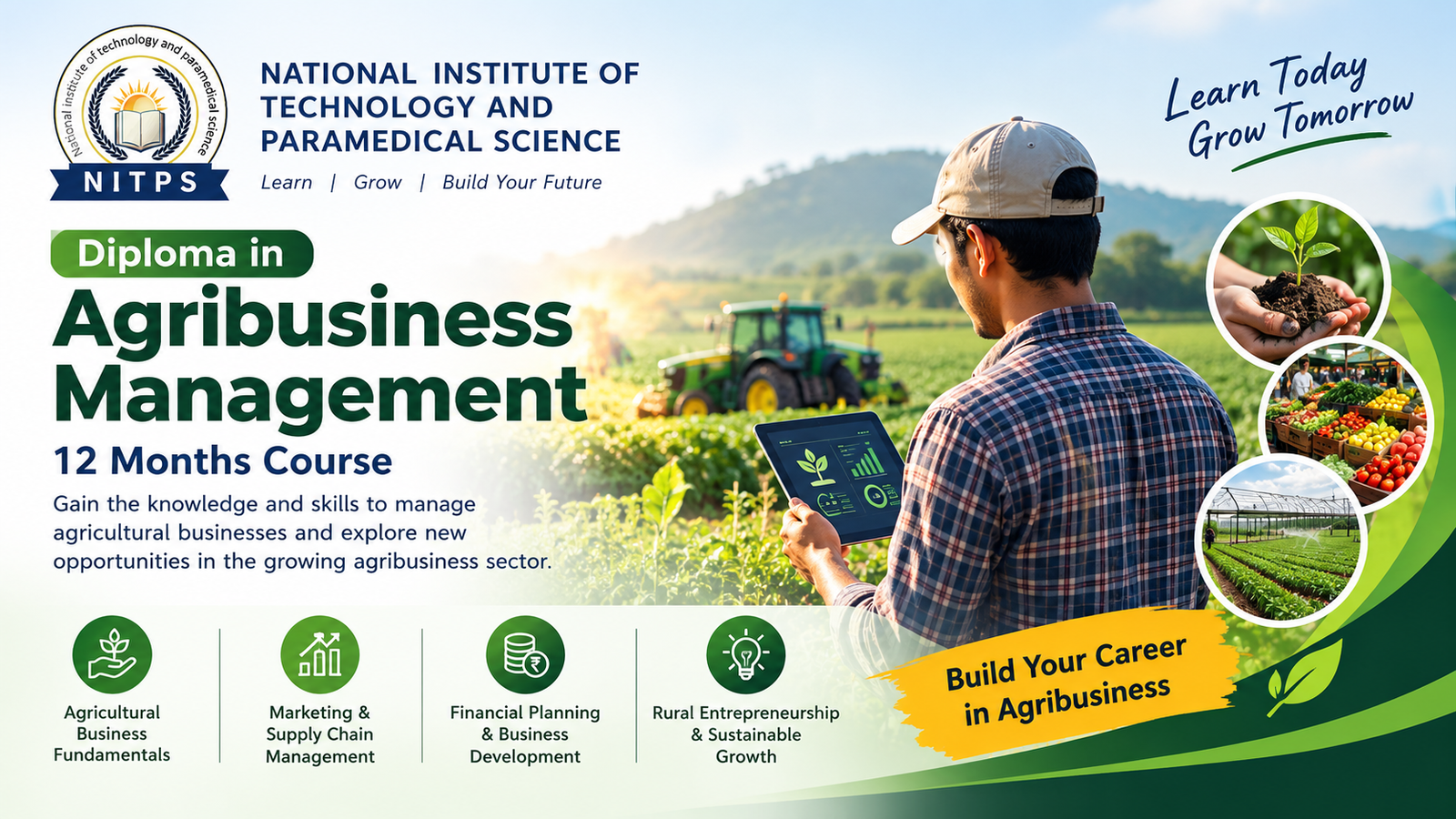
Diploma in Agribusiness Management Build Your Future in Agricultural Business
Oct 21, 2026
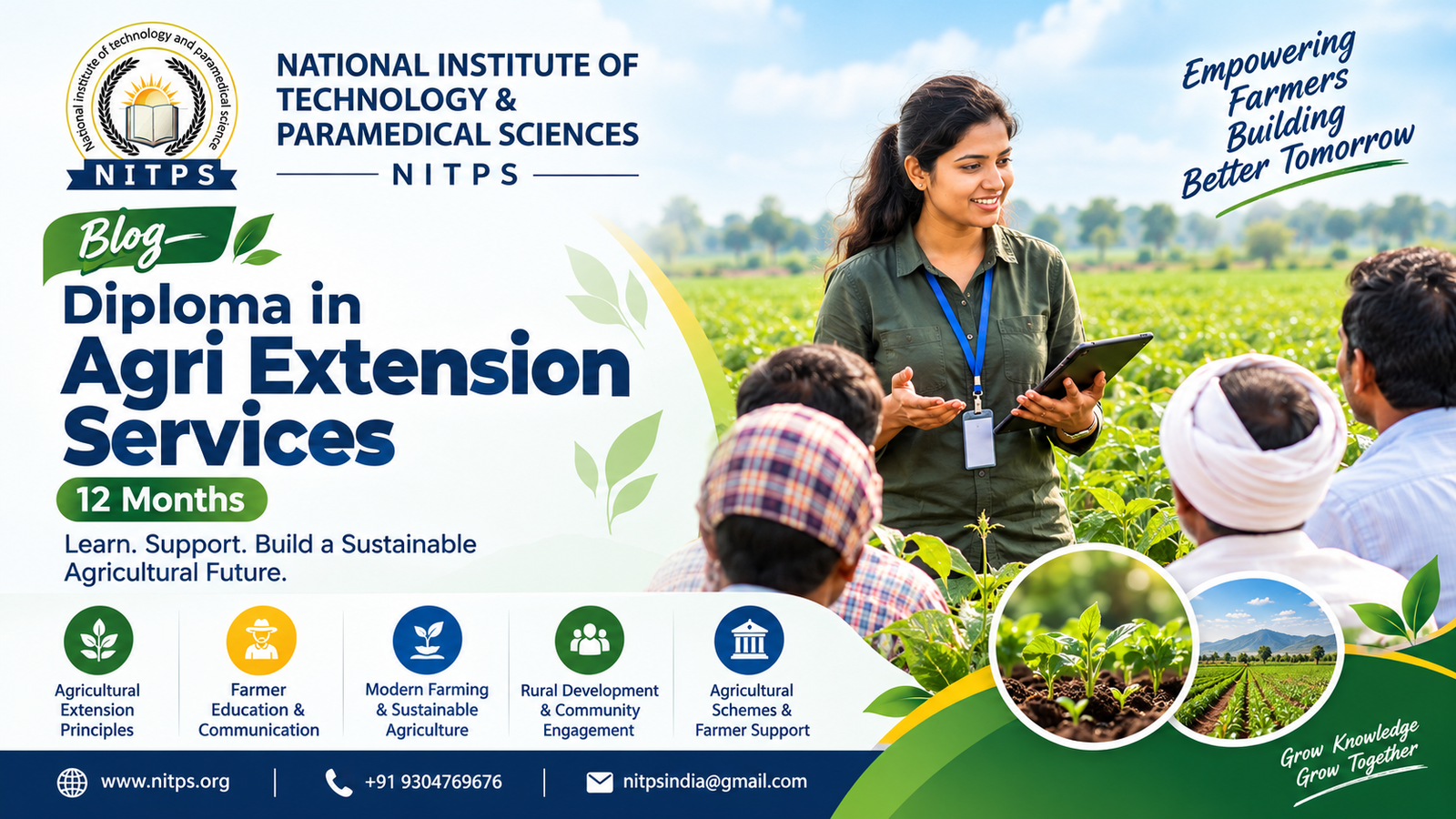
Diploma in Agri Extension Services 12 Months Course Details, Benefits and Career Opportunities
Oct 16, 2026